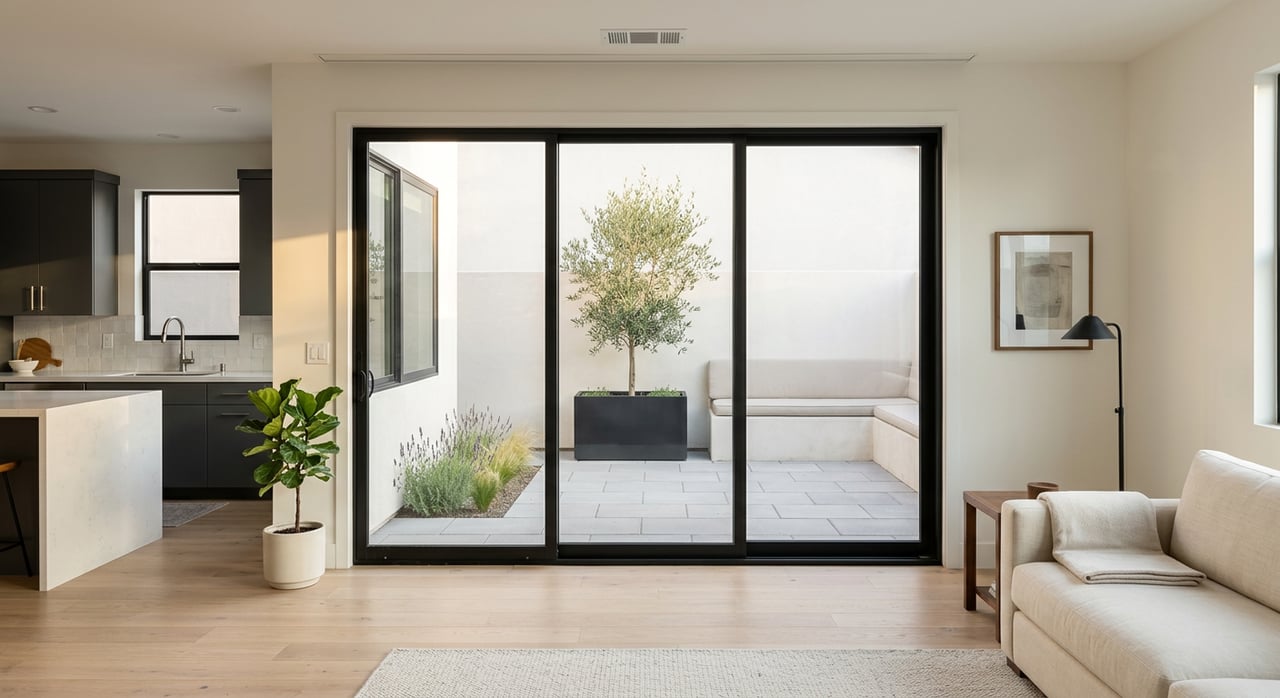
If you want top dollar for your Pleasanton home, presentation is your secret advantage. In a market where buyers compare beautiful, move‑in ready listings side by side online, the homes that look polished win more attention and better offers. You may be weighing what to fix, what to stage, and how much to invest. Here’s a clear Pleasanton‑focused plan to help you move fast, spend smart, and sell for more. Let’s dive in.
Why presentation pays in Pleasanton
Pleasanton sits in a high‑price, low‑inventory pocket of the East Bay. As of February 2026, Redfin’s Pleasanton market page reported a median sale price near $1.5 million and quick market times for well‑priced, turnkey homes. That means small improvements can translate into big gains.
Industry benchmarks back this up. In the National Association of REALTORS 2025 Profile of Home Staging, nearly three in ten agents said staging produced offers 1–10% higher than similar unstaged homes, and 49% of sellers’ agents saw reduced time on market. Buyers in Pleasanton often value turnkey condition and curb appeal, which local planning documents also reflect as part of neighborhood desirability and services that influence housing decisions (City of Pleasanton Consolidated Plan). In this price tier, even a 1% lift can mean five figures more in your pocket.
The plan: walkthrough to launch
Day 1–3: Walkthrough and punch list
Start with an objective walkthrough to spot what buyers and cameras will notice. Document clutter, odors, lighting, flow, and any obvious maintenance items. Build a punch list that prioritizes deep cleaning, neutral paint touch‑ups, simple repairs, and safety fixes like smoke detectors. This quick triage sets a focused, ROI‑driven plan.
Days 4–7: Fast fixes buyers notice
Tackle the highest‑leverage actions first. Declutter and depersonalize, then schedule a professional deep clean. Touch up walls and trim in light, neutral tones so rooms look bright in photos. Repair visual defects like peeling caulk, running toilets, and burned‑out bulbs. NAR highlights cleaning and curb appeal as the most common and effective prep steps.
Days 7–14: Stage what sells
You do not need to stage every room. Per NAR, prioritize the living room, primary bedroom, and kitchen. Simplify layouts to show function, scale accessories to the room, and maximize natural light. Add neutral textiles and remove personal photos. Focus your budget where buyers form emotional connection first.
Photos and launch timing
Great staging deserves great visuals. Professional photography and thoughtful angles drive online engagement, which is critical in the first two weeks. Industry reports show higher views and more showings when listings use professional photos and staging compared to low‑quality images (why high‑quality photos matter). Plan sequence carefully: complete repairs and cleaning, install staging, then photograph within 24–48 hours so you can list immediately.
Room‑by‑room priorities
Living room
Lead with light, space, and seating clarity. Float or tighten furniture to show strong walkways. Use a simple rug to frame the seating area and add one focal piece of art. Keep accessories minimal so buyers focus on volume and windows.
Kitchen micro‑updates
Small changes photograph big in Pleasanton. Deep clean, re‑caulk, and re‑grout as needed. If cabinetry looks tired, painting can be cost‑effective; national averages for small painting projects often range around modest four‑figure or lower budgets, though Bay Area labor can skew higher (typical small‑project paint costs). Update hardware and swap a worn faucet, which is commonly a mid‑hundreds installed in many markets (faucet install cost guide). Keep counters clear and add a single fresh element, like a bowl of citrus.
Primary suite and baths
Create a calm, hotel‑clean feel. Use crisp white bedding, matching nightstands, and balanced lamps. In baths, re‑caulk, re‑grout, and refresh mirrors or lighting if dated. These small moves reduce friction and help photos pop.
Secondary spaces
Show purpose without clutter. If a room is multi‑use, pick the most marketable function and stage for that. Consider virtual staging for vacant spaces to show alternate uses, while disclosing edits per MLS rules. Physical staging in the top rooms plus strong visuals in others is often the right balance.
Curb appeal for Pleasanton
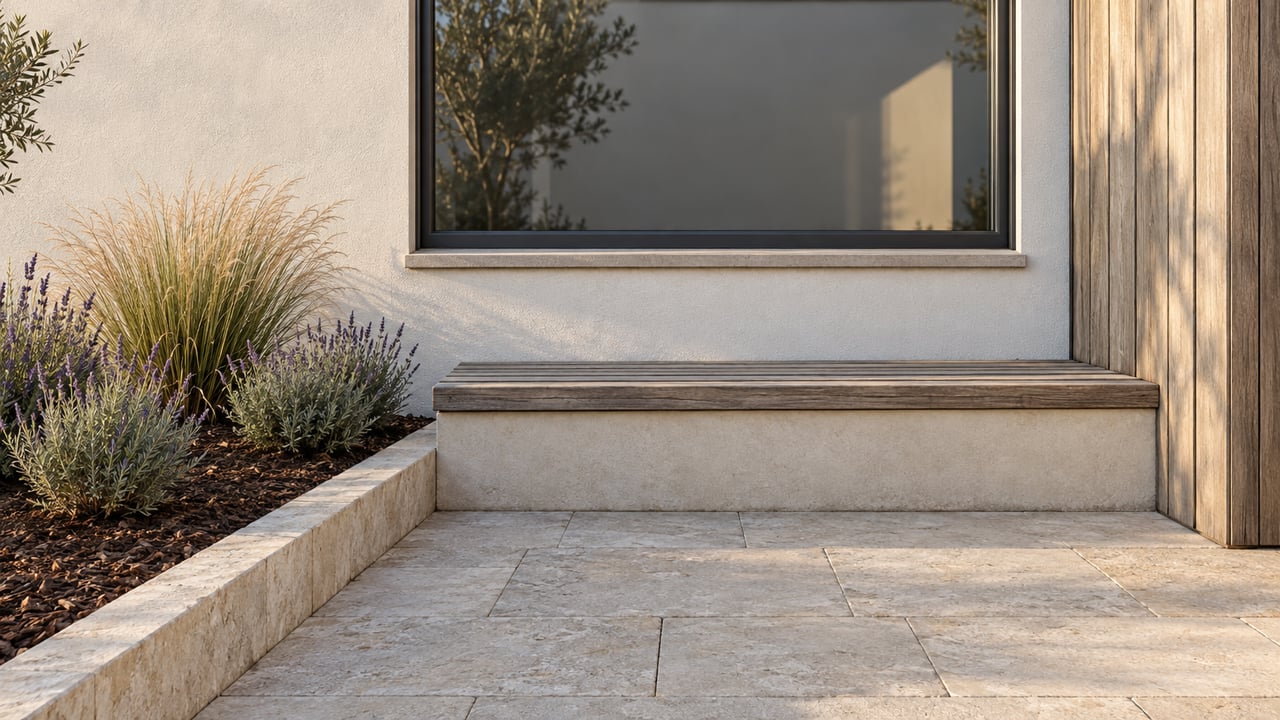
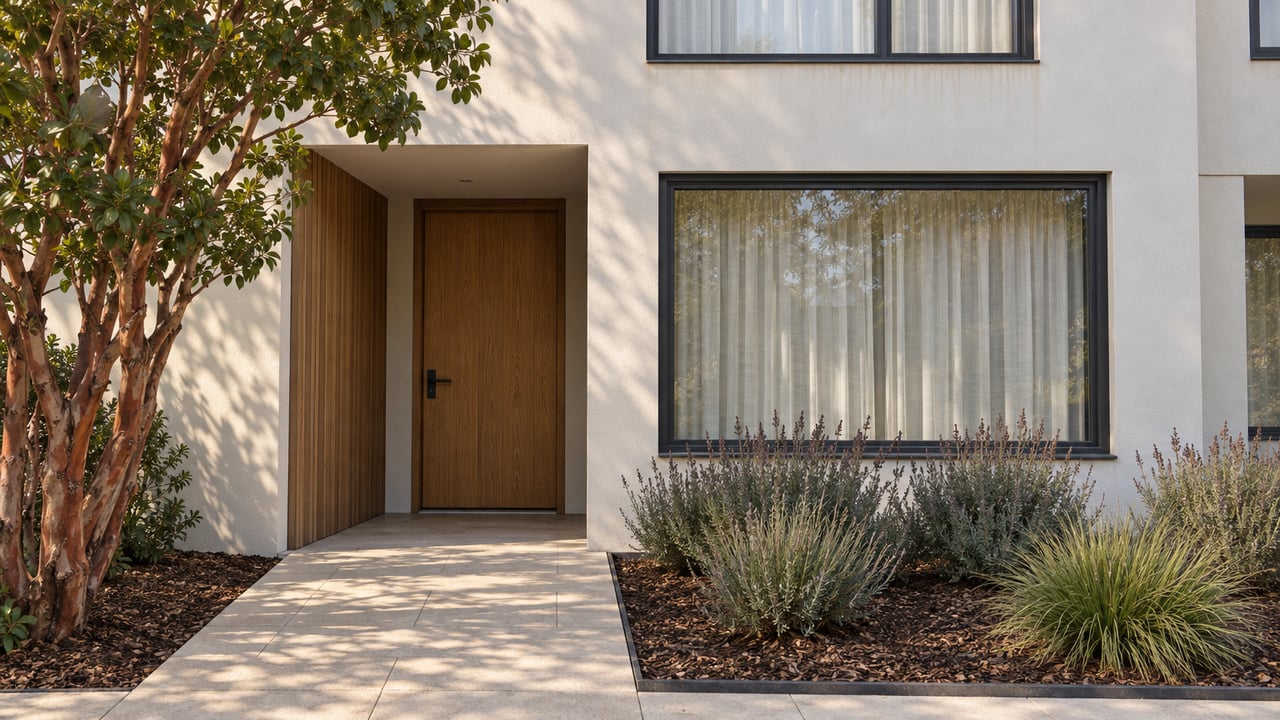
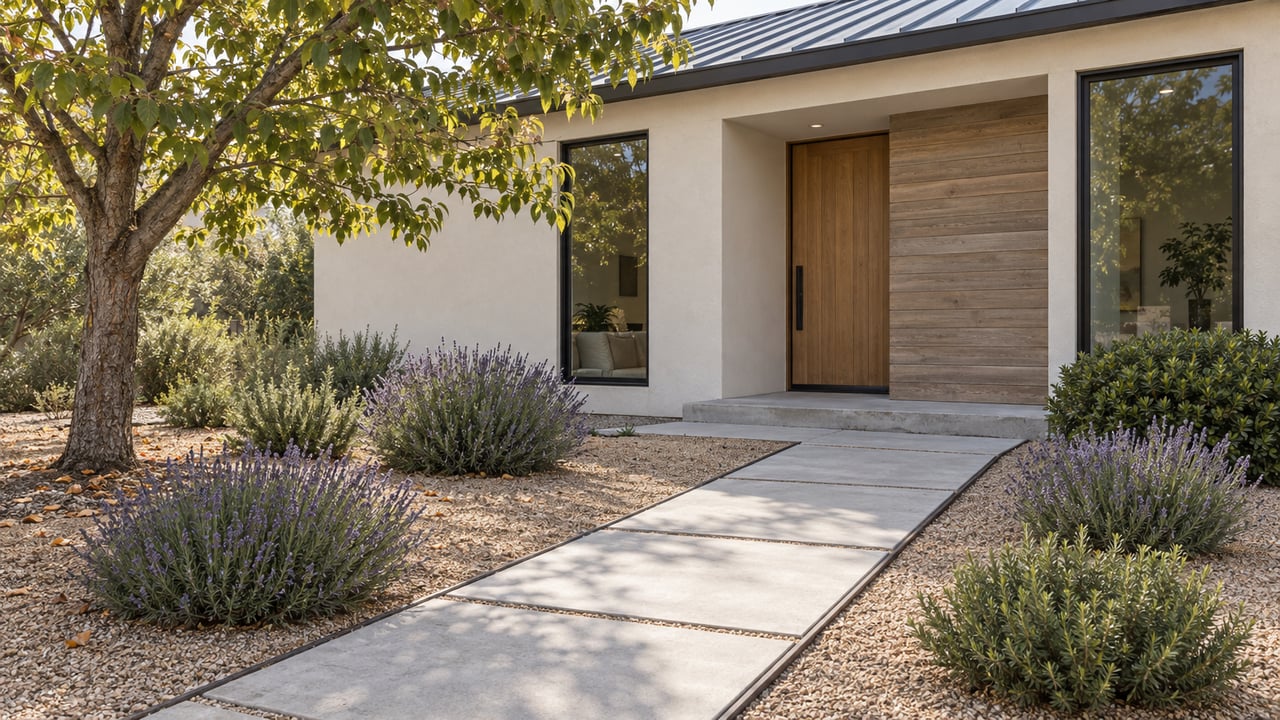
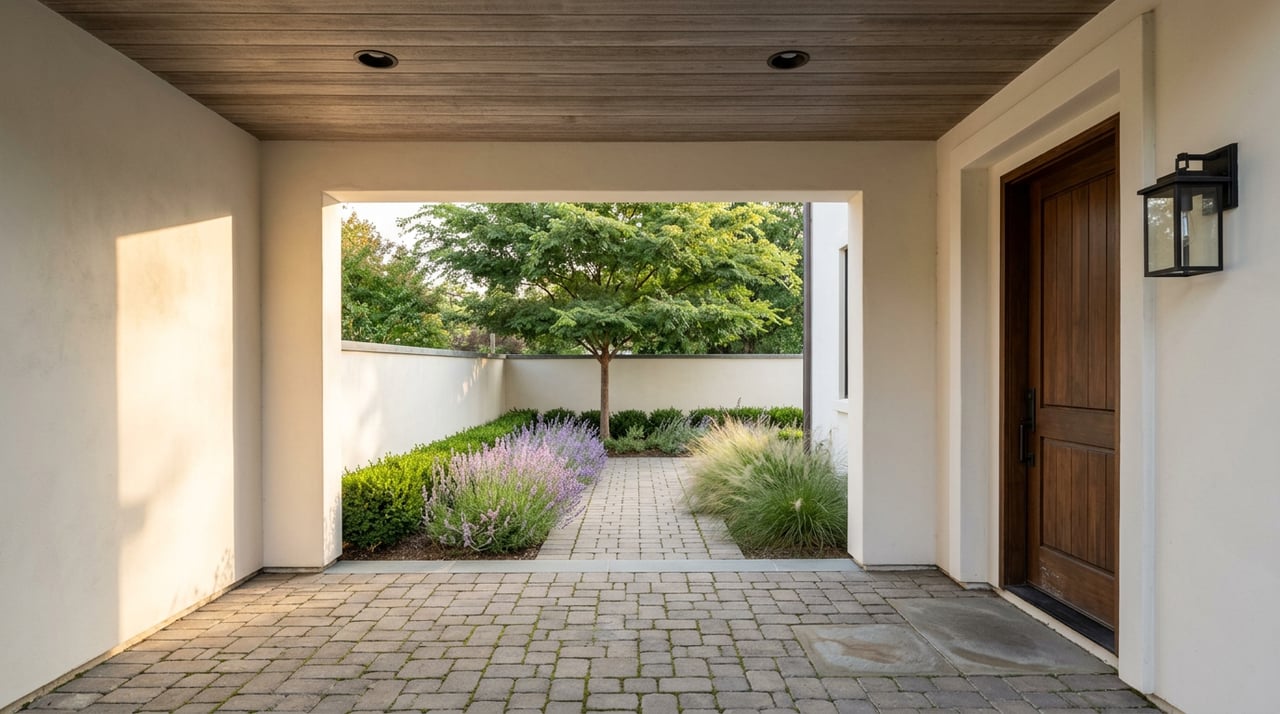
First impressions start at the street. Pressure wash, paint or clean the front door, refresh mulch, trim hedges, and edge the lawn. In Pleasanton, low‑maintenance, water‑wise landscaping is a plus. The local water agency offers a Zone 7 lawn conversion rebate that can help offset costs when you replace turf with drought‑tolerant planting. Check pre‑approval steps and program caps before starting.
Safety and disclosure matter too. If your property lies in a mapped Fire Hazard Severity Zone, buyers will factor mitigation and insurance into their decisions. Review the Alameda County map and consider simple defensible‑space improvements like pruning and removing ladder fuels (Cal Fire hazard map).
Smart budgets and ROI
You want to invest where it pays back. Use national benchmarks as a guide, then confirm local vendor quotes.
- Conservative/DIY: $500–$2,000. Agent‑assisted styling, deep cleaning, touch‑up paint, basic yard work. NAR reports a median staging spend of $1,500 when using a service and $500 when an agent stages personally, with many agents seeing 1–10% higher offers and faster sales (NAR 2025 staging profile).
- Mid package: $2,500–$8,000. Professional partial staging for main spaces, light kitchen and bath refreshes, and professional photos. Industry samples from the Real Estate Staging Association show strong ROI in staged‑sold datasets, though results vary by pricing and market timing.
- Full concierge: $8,000–$35,000+. Full vacant staging plus moderate updates and landscape refresh. Use for higher‑tier comps where design differentiation matters.
A quick example: on a $1.5M Pleasanton home, a $1,500 staging investment that helps lift your price by 1% would add roughly $15,000. That is a 10x gross uplift before carrying or closing costs, and faster market time can improve your net even further.
Timing and vendor logistics
Plan ahead for Bay Area schedules and seasonal demand. Many stagers can complete occupied installs in a few days, while full vacant staging may take 3–14 days depending on inventory. Some local providers advertise 48–72 hour installs for occupied homes, which can help you hit a prime launch window (example local stager timelines). Book your stager and photographer early so you capture that crucial first two weeks of buyer interest.
Concierge help with fewer headaches
A clear, end‑to‑end process takes stress off your plate and shortens time to market. Here is how a design‑conscious concierge approach works:
- Rapid walkthrough and written plan. Get a prioritized punch list of cleaning, paint, repairs, and staging scope.
- Vendor coordination. Line up quotes and schedule a handyman, painter, plumber, stager, and photographer.
- Staging and visuals. Install physical staging for key rooms and book professional photos, video, and floor plans.
- Launch and outreach. Go live as soon as assets are ready and target early broker and buyer attention.
This framework uses the NAR and RESA benchmarks to set expectations and show likely upside in both price and time‑on‑market. You stay in control of budget and scope while tapping proven presentation tactics.
Quick seller checklist
- Book a pre‑listing walkthrough and punch list.
- Approve a budget for cleaning, touch‑up paint, and simple repairs.
- Decide staging scope and schedule your stager and photographer.
- Refresh curb appeal and consider water‑wise updates with available rebates.
- Photograph within 24–48 hours after staging and list right away.
Ready to plan a Pleasanton sale that shows beautifully and sells with confidence? Connect with Cindy Alaimo to schedule your Complimentary Local Market & Home Presentation Plan.
FAQs
What Pleasanton buyers value most in a listing
- Buyers often respond to turnkey condition, curb appeal, and clean, updated kitchens and primary baths, which aligns with local housing priorities noted by the City and national staging data.
Which rooms should I stage first to maximize ROI
- Focus on the living room, primary bedroom, and kitchen, which NAR ranks as most influential for buyer perception and offer strength.
How much should I budget for staging in Pleasanton
- Many sellers spend around $1,500 on professional staging per NAR medians, though Bay Area projects can range from $500 for agent‑assisted to $8,000+ for professional partial or full staging.
Do professional photos really change my outcome
- Yes. Industry reports show listings with professional photos and staging earn higher online views and more showings, which helps you capture early market momentum.
Are there local incentives for curb‑appeal upgrades
- Yes. Zone 7 Water Agency offers a lawn conversion rebate for drought‑tolerant landscaping. Check requirements and pre‑approval before you start.
How fast can staging be installed before I list
- Occupied homes can often be staged in a few days, while vacant staging may take 3–14 days depending on inventory and schedules; some providers advertise 48–72 hour installs for occupied homes.