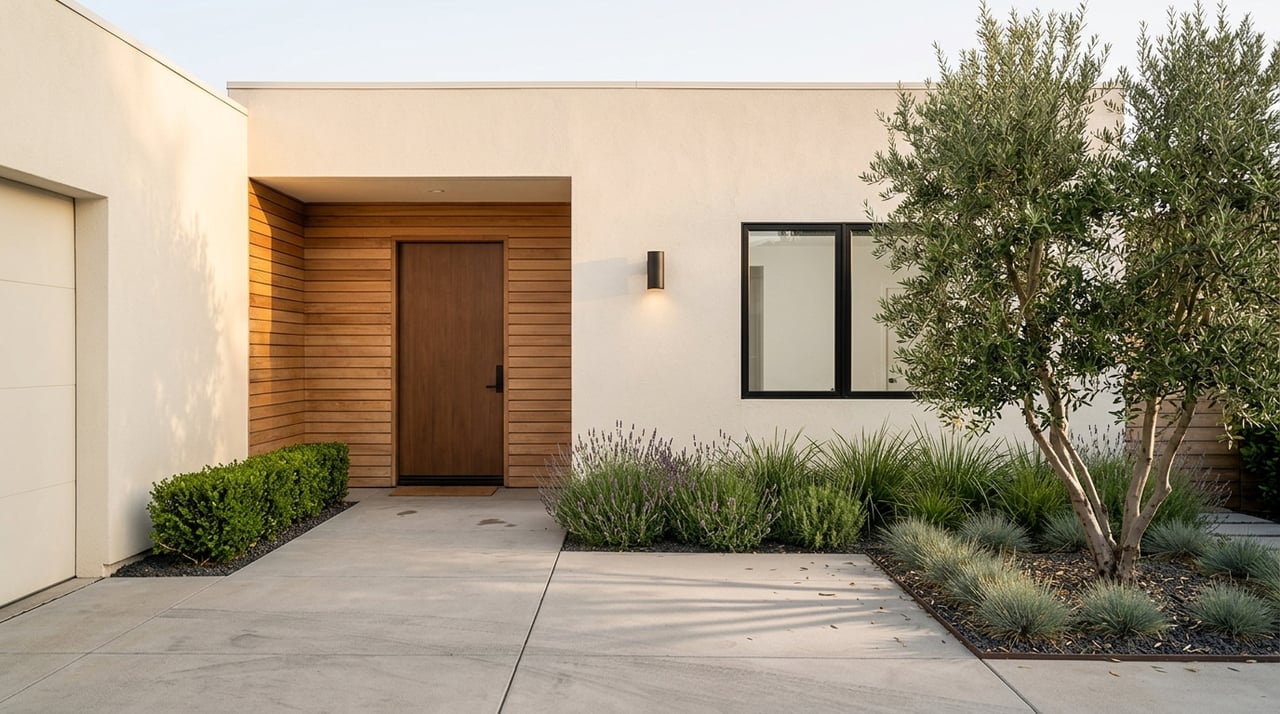
Buying a brand-new home in Brentwood can feel exciting and a little tricky at the same time. You may love the idea of a fresh start, modern layouts, and lower maintenance, but you also have to sort through builder pricing, lot premiums, timelines, upgrades, and contract details. This roadmap will help you understand how new construction works in Brentwood today, what to watch for before you sign, and how to make smarter decisions from your first tour to closing. Let’s dive in.
Why Brentwood draws new-construction buyers
Brentwood continues to attract buyers looking for long-term ownership. The city’s population was estimated at 66,286 in 2024, up 3.1% from 2020, and the homeownership rate is 82.2%, according to the U.S. Census QuickFacts for Brentwood. The same source reports a median owner-occupied home value of $836,600, which gives helpful context if you are comparing a new home to resale options.
The city’s planning framework also matters when you are evaluating where growth is heading. Brentwood’s long-range planning efforts include the General Plan, the Brentwood Boulevard Specific Plan, and draft Residential Objective Design Standards intended to guide attractive, compatible, and appropriately scaled development. The city also highlights the Innovation Center @ Brentwood, a 300-acre mixed-use master-planned project tied to a future planned BART station, and notes that the Sand Creek Road extension opened in February 2025 to improve connectivity.
What new homes look like in Brentwood
Brentwood’s current new-construction mix leans heavily toward master-planned and active-adult communities. That matters because the shopping experience, floor plans, amenities, and design options can feel different from a traditional resale search.
For example, Shea Homes’ Kindred & Balfour is a gated 55+ community with single-level homes from about 1,448 to 2,134 square feet, plus amenities like a clubhouse, pool, spa, pickleball, and bocce. Shea also markets The Meadows at Marsh Creek, another gated 55+ community with single-story duet-style homes around 1,633 to 1,772 square feet, while Trilogy at The Vineyards shows limited remaining availability.
You may also come across examples of smaller enclave communities. DeNova’s Bennett Estates is sold out, but it shows the kind of higher-end, limited-release product that has existed in Brentwood, with 14 single-family homes from 2,613 to 3,758 square feet. Seeno also maintains a Brentwood presence, though its reviewed availability page showed no current homes available.
Understand base price versus final price
One of the biggest surprises for buyers is this: the advertised price is usually not the final price. Builders often market a base price that covers the home in its standard configuration, but your actual cost can rise based on the lot, elevation, upgrades, and fees.
According to KB Home’s explanation of homesite premiums, the listed price usually does not include optional features, upgrades, homesite premiums, or association fees. KB Home also notes that some floor plans may not fit every lot due to lot size, orientation, or planning decisions, and homesite premiums can change without notice.
That means two homes with the same floor plan may carry different price tags. One homesite may back to a more desirable setting and come with a premium, another may include an upgraded elevation, and another may already be under construction with selections that have been added. If you are comparing options, make sure you are comparing the full price picture, not just the starting number on the brochure.
Know where your money goes
When you buy new construction, your budget usually gets divided into a few major buckets:
- Base price for the standard home and floor plan
- Homesite premium based on lot location or characteristics
- Elevation premium if one exterior style costs more
- Design upgrades such as cabinets, flooring, countertops, lighting, or appliances
- Structural options such as layout changes, if offered
- Association fees where applicable
This is where disciplined planning matters. It is easy to fall in love with a model home and then realize the finished price is much higher once upgrades are added.
How customization usually works
Customization can be one of the best parts of buying new construction, but it comes with timing limits. In most communities, your design choices happen early, before construction begins or before the home reaches certain build stages.
Shea explains in its Design Studio overview that included features come with the base home, while items like flooring, cabinets, lighting, paint, countertops, appliances, and structural changes may cost extra. Shea also notes that upgrade cost and availability vary by plan and community, and design studio sessions happen before construction starts.
If you are looking at a quick move-in home, your options may be more limited. Shea says quick move-in homes are complete or already under construction, and some may still allow limited personalization depending on how far along they are. That can be a good fit if you want a faster move, but you may have less control over finishes.
To-be-built or quick move-in?
This is one of the first decisions you will make. Each path has tradeoffs.
| Option | Best for | Main advantage | Main tradeoff |
|---|---|---|---|
| To-be-built home | Buyers who want more personalization | More opportunity to choose finishes and features | Longer timeline |
| Quick move-in home | Buyers who want a sooner closing | Faster move and less waiting | Fewer or no design choices |
If your timing is flexible and design matters a lot to you, a to-be-built home may be worth the wait. If you need to line up a sale, a relocation, or a lease ending soon, quick move-in inventory may be the more practical choice.
How long the process can take
New construction usually moves on a months-long timeline, not a weeks-long one. That is true even before the actual build begins.
KB Home’s timeline overview says the average build time is about four to five months from start to completion, while early pre-construction steps can take roughly 30 to 50 days. Shea’s process also places design selections before construction and includes a pre-drywall appointment before the walls are closed up.
For you, that means planning ahead matters. If you need to coordinate a current home sale, a rate-lock strategy, or a move date, you will want to build in extra cushion rather than assume the shortest possible timeline.
Why lot selection matters more than many buyers expect
In a resale purchase, you are choosing a complete property. In new construction, you are often choosing the home and the homesite separately. That makes lot selection a major decision.
A homesite can affect privacy, orientation, yard use, and price. It can also affect whether a certain floor plan fits at all, since builders note that lot size and orientation may limit plan availability. Before committing, compare not only the floor plan but also where the lot sits within the community and what premium, if any, is attached to it.
Inspections still matter on a brand-new home
A common misconception is that a new home does not need inspections. In reality, an independent inspection can still be valuable because once walls are closed and finishes are installed, some issues are harder to spot.
InterNACHI explains pre-drywall inspections as a useful checkpoint because drywall can hide problems. The same resource also provides guidance for a final walk-through before paperwork is completed and highlights the value of an 11th-month warranty inspection so issues can be identified before the builder warranty period expires.
A practical inspection approach often includes:
- Pre-drywall inspection before walls are covered
- Final walk-through review before closing
- 11th-month warranty inspection before the first-year warranty window ends
What builder warranties cover in California
Warranties are another area where buyers should understand the basics before closing. In California, new-home protections are shaped in part by SB 800.
Under California SB 800, buyers receive a minimum one-year express written limited warranty for fit-and-finish items. The statute also creates broader protections for covered defects, with claims that can generally be brought up to 10 years after substantial completion, depending on the issue and the legal requirements involved.
That does not mean every concern is handled the same way, and it does not replace the need to document issues carefully. It does mean you should keep your paperwork, understand the builder’s warranty process, and stay on top of repair requests during your first year in the home.
Why your own agent still matters
The builder’s sales team can be helpful, but it is important to remember who they represent. Their role is to sell homes for the builder.
The California Association of Realtors notes in its buyer representation guidance that buyers who want to work with an agent need a written agreement before touring a home. Builders also make clear that tours and on-site conversations often start through their own community representatives.
Your own representation can help you with:
- Comparing lots and price differences across the same plan
- Setting a realistic upgrade budget
- Reviewing contract terms and timelines
- Coordinating inspection timing
- Tracking warranty items after closing
In a market like Brentwood, that support can be especially useful if you are deciding between a resale home and multiple builder communities, or if you want help balancing design choices with long-term value.
A smart roadmap for Brentwood buyers
If you are considering new construction in Brentwood, keep the process simple and focused. Start with the community type that fits your goals, ask for the full pricing picture, and evaluate the lot with as much care as the floor plan. From there, map out your design budget, timeline, inspection plan, and warranty follow-up so you are not making rushed decisions under pressure.
The right guidance can make a big difference, especially when builder contracts, upgrade menus, and construction timelines start to overlap. If you want expert, local support as you compare Brentwood new-construction options, connect with Cindy Alaimo for personalized guidance rooted in East Bay market knowledge and hands-on new-home experience.
FAQs
How long does a new construction home in Brentwood usually take to close?
- If the home is to be built, the process usually takes months rather than weeks. KB Home says average build time is about four to five months, plus roughly 30 to 50 days for early pre-construction steps.
Can you customize a new construction home in Brentwood after you sign the contract?
- Usually yes, but only during the builder’s design window and only if the home has not progressed too far in construction. Quick move-in homes often allow limited or no personalization.
Do you need an inspection on a brand-new home in Brentwood?
- Yes. A pre-drywall inspection, final walk-through review, and 11th-month warranty inspection can help you identify issues that may be harder to address later.
What does a California builder warranty cover on a new home?
- At minimum, California SB 800 requires a one-year express written limited warranty for fit-and-finish items, and the law also provides broader statutory protections for certain covered defects.
Should you bring your own agent to a Brentwood builder community?
- Yes, if you want independent guidance. Your own agent can help with lot comparisons, upgrade budgeting, contract review, inspections, and warranty follow-up, and buyer representation should be set up before touring a home.