Picture this: you can spend Saturday at a tasting room among rolling vineyards and still reach your weekday job in the East Bay. If that balance sounds appealing, Livermore might be on your shortlist. You want real talk about commutes, neighborhoods, and lifestyle before you commit. In this guide, you’ll learn how Livermore’s wine-country vibe pairs with day-to-day travel, plus what to expect from schools, parks, and housing. Let’s dive in.
Where Livermore fits
Livermore sits in eastern Alameda County, about 25 to 35 miles from Oakland and Berkeley, depending on route and traffic. It is a mid-sized city with a historic core and growing neighborhoods. The population was about 88,000 in the 2020 count, according to the U.S. Census QuickFacts for Livermore.
Livermore is known for two things that work well together: an established wine region and a suburban lifestyle with strong community amenities. The City of Livermore provides parks, libraries, and services that anchor daily life.
Wine-country lifestyle, downtown energy
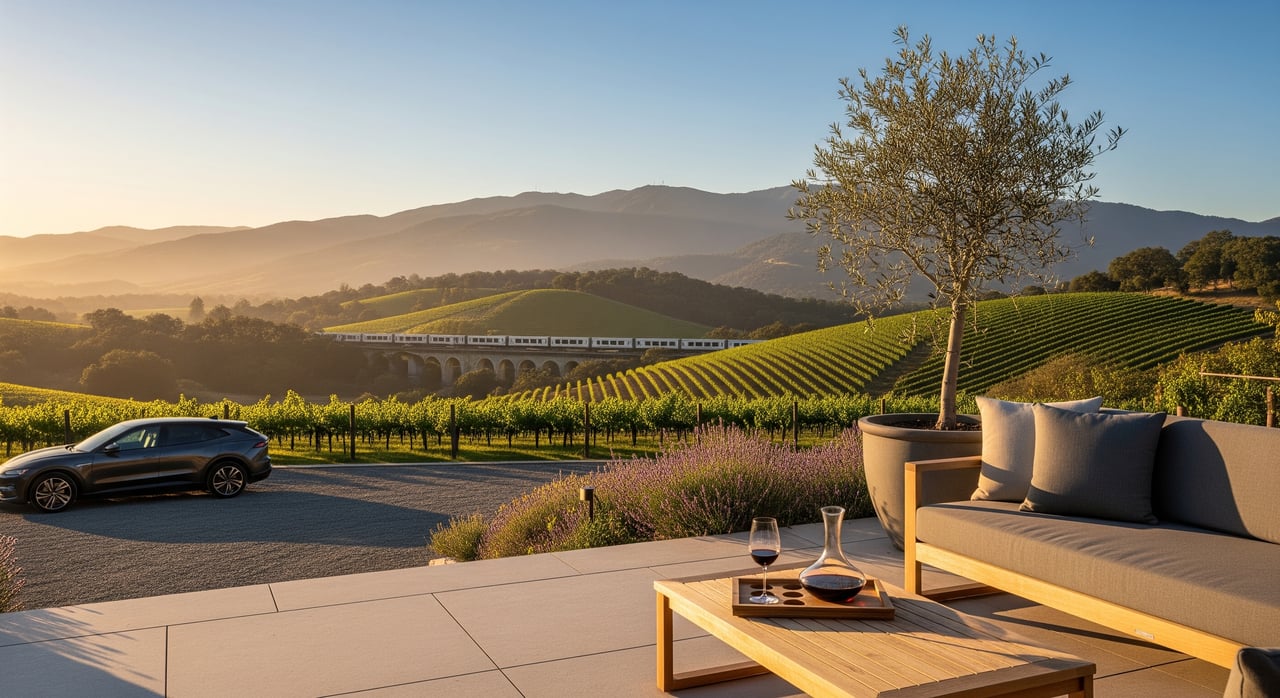
Livermore Valley Wine Country is part of daily life here. On any given weekend you can visit tasting rooms, attend harvest events, or book a vineyard tour. If you want easy access to wineries, Livermore Valley Wine Country makes it simple to plan outings.
Downtown Livermore, centered on the Amador Street and First Street corridor, offers walkable blocks with restaurants, small shops, and entertainment. You’ll find tasting rooms, craft breweries, and community events that keep the area active without feeling overwhelming. It is the most walkable part of the city and a natural social hub.
Neighborhood types and fit
Downtown core
If you value walkability and convenient dining, the historic downtown area is your best match. Housing includes older homes and some infill options like condos and townhomes. Expect a social feel with community events close by.
Wine-country hills
North and east of town, rolling hills hold larger parcels and boutique estates. The setting is quiet and scenic, with more privacy and space. If you dream of bigger lots and a retreat-like feel, this zone is worth a look.
Suburban neighborhoods
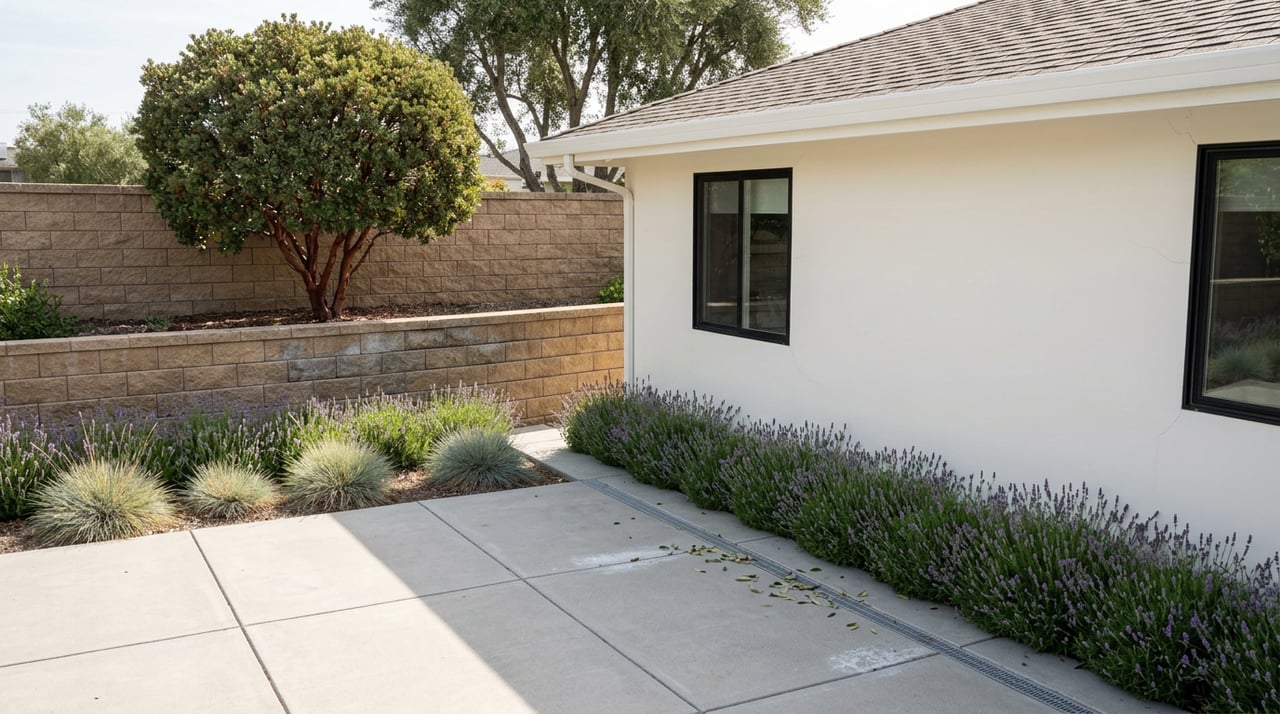
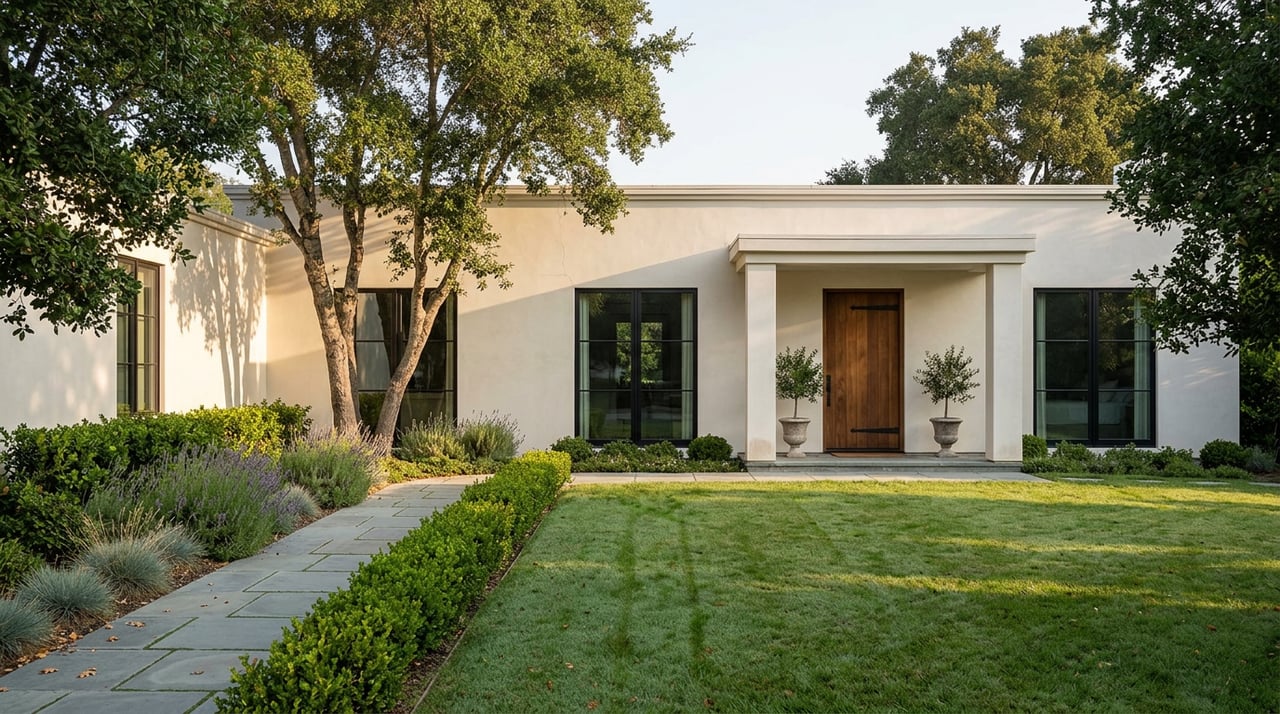
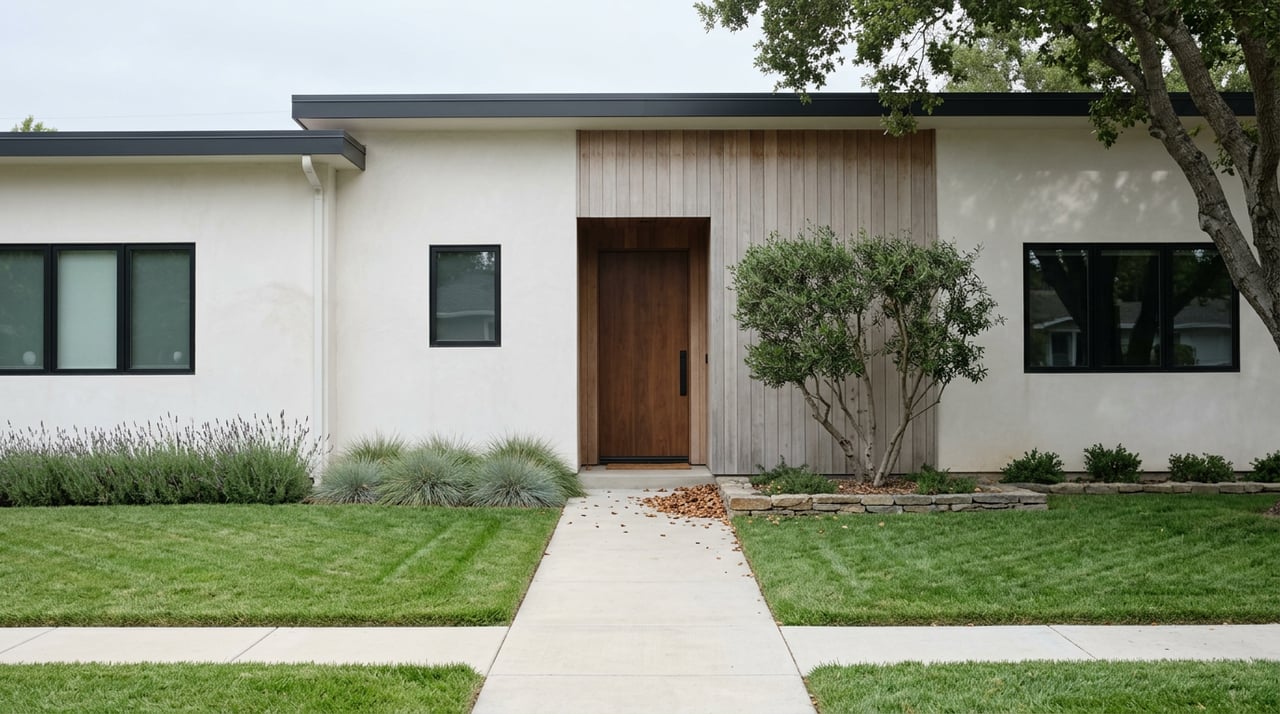
Across south and west Livermore, you’ll find mid-century ranch homes and newer subdivisions from the 1990s to 2010s. These areas often appeal to buyers wanting yard space and straightforward access to I-580 and nearby communities. Many homes offer remodel potential.
Transit-adjacent pockets
Closer to bus hubs and major corridors, you’ll see townhomes, condos, and smaller-lot homes. These locations help if you plan to connect to BART or take express buses.
Microclimates and lifestyle
Livermore is inland, so summers are warmer and winters are milder than the immediate coast. Hills and valleys can create noticeable temperature and wind shifts. If you enjoy sunshine and outdoor time, you’ll likely welcome the change; just plan for summer heat.
Schools and learning
Livermore Valley Joint Unified School District serves most local students, with multiple elementary and middle schools and two comprehensive high schools, Livermore High and Granada High. Families should review current district information for programs, boundaries, and performance. You can explore the Livermore Valley Joint Unified School District site for up-to-date details.
Las Positas College is located in Livermore, and East Bay universities are accessible by car or transit. Private and specialty school options exist, subject to grade level and availability.
Outdoor recreation
Livermore is surrounded by parks, trails, and open space. If you love hiking, cycling, or time on the water, you’ll have plenty of choices.
- Sycamore Grove Park: popular for walking, dog-walking, and nature time.
- Del Valle Regional Park: a nearby reservoir for boating, camping, and trails.
- Shadow Cliffs and Pleasanton Ridge: easy day trips with scenic routes.
- Iron Horse Regional Trail: long-distance cycling and walking across the Tri-Valley.
For planning, trail maps, and park details, check the East Bay Regional Park District resources. As with much of California, seasonal wildfire smoke can affect air quality. If anyone in your household is sensitive, monitor air-quality updates.
Jobs and the local economy
Livermore benefits from a mix of employers. Lawrence Livermore National Laboratory is a major presence and draws talent from across the region. Healthcare, education, retail, professional services, and the wine and hospitality sector also contribute to the local economy.
Downtown businesses and arts venues bring energy and jobs while reinforcing a strong sense of place. If you value a community with both innovation and local culture, you’ll find that blend here.
Commutes and transportation
Livermore connects to the rest of the East Bay via I-580, with I-680 nearby for north-south travel. Commute times vary widely based on departure window and congestion, so plan around peak hours.
Typical drive times in normal conditions:
- To central Oakland or Berkeley: often 30 to 60 minutes, longer in peak traffic.
- To downtown San Francisco: commonly 60 to 90+ minutes, including bridge traffic and tolls.
- To Dublin/Pleasanton BART: roughly 10 to 25 minutes, depending on your starting point.
- To I-680 job centers like Walnut Creek: often 30 to 60 minutes, traffic dependent.
Transit options you can use today:
- LAVTA WHEELS bus network connects neighborhoods to downtown, transit centers, and the Dublin/Pleasanton BART station.
- ACE commuter rail serves the Tri-Valley on weekdays and is useful for specific commute patterns.
What’s changing soon:
- The Valley Link regional rail project is in active development and is planned to connect the Tri-Valley to BART with phased operations targeted for the mid-to-late 2020s. When it opens, it should add a new rail option and could reshape commute patterns.
Practical tips:
- Map your commute during peak times, not Sunday afternoon.
- Consider a home close to your preferred arterial or BART shuttle route.
- If you need rail, plan on driving or busing to Dublin/Pleasanton BART until Valley Link opens.
Housing snapshot and buyer takeaways
You will see a mix of home types in Livermore. Single-family homes range from 1950s ranch styles to newer two-story builds, with custom estates in wine-country areas. Townhomes and condos are common in infill pockets and newer communities, which can be attractive to first-time buyers and downsizers.
Historically, many buyers find Livermore competitive or slightly more accessible on price than some closer-in East Bay cities, though it still reflects Bay Area pricing. Luxury and vineyard properties can command a premium. Because the market changes quickly, use current local data when you are ready to shop.
If you love classic layouts and bigger yards, renovating a mid-century home could be a smart path. If you want a low-maintenance lifestyle near transit, a townhome or condo may fit better. New construction is incremental, and the city is surrounded by open space and agricultural land, so large-scale infill is limited.
Is Livermore right for you?
Livermore is a strong fit if you value wine-country access, outdoor recreation, and a suburban setting with community amenities. The tradeoff is travel time if you need to be in San Francisco or the inner East Bay during rush hour. Many residents solve for this by living near BART connections and building flexible schedules where possible.
Pros to consider:
- Quick access to wineries, parks, and trails.
- Suburban neighborhoods with yard space and community programs.
- Active downtown with dining and cultural venues.
Tradeoffs to plan for:
- Commute times can stretch during peak hours.
- Warmer summers than coastal East Bay cities.
- Car travel for many errands outside downtown.
If you want help matching neighborhoods to your daily routine, including commute mapping, school research steps, and a housing plan, connect with Cindy Alaimo for a local strategy session.
FAQs
What is a realistic commute from Livermore to Oakland or Berkeley?
- Plan for about 30 to 60 minutes by car, depending on departure time and congestion; many residents drive or take WHEELS buses to Dublin/Pleasanton BART for rail access.
Does Livermore have direct BART service today?
- There is no direct BART station in Livermore; WHEELS buses and local roads connect to Dublin/Pleasanton BART, and Valley Link is in development to create a future rail link.
How are public schools in Livermore and where can I learn more?
- LVJUSD includes multiple schools with varying programs and performance; visit the district site for current information on campuses, boundaries, and offerings.
What outdoor activities are near Livermore for weekends?
- Residents use regional parks for hiking, boating, and biking, including Del Valle, Sycamore Grove, Pleasanton Ridge, and the Iron Horse Trail, plus local winery events.
How do Livermore home prices compare to nearby cities?
- Historically, Livermore has been competitive with or slightly more accessible than some closer-in East Bay markets, but pricing varies by neighborhood and market cycle; use current local data when shopping.