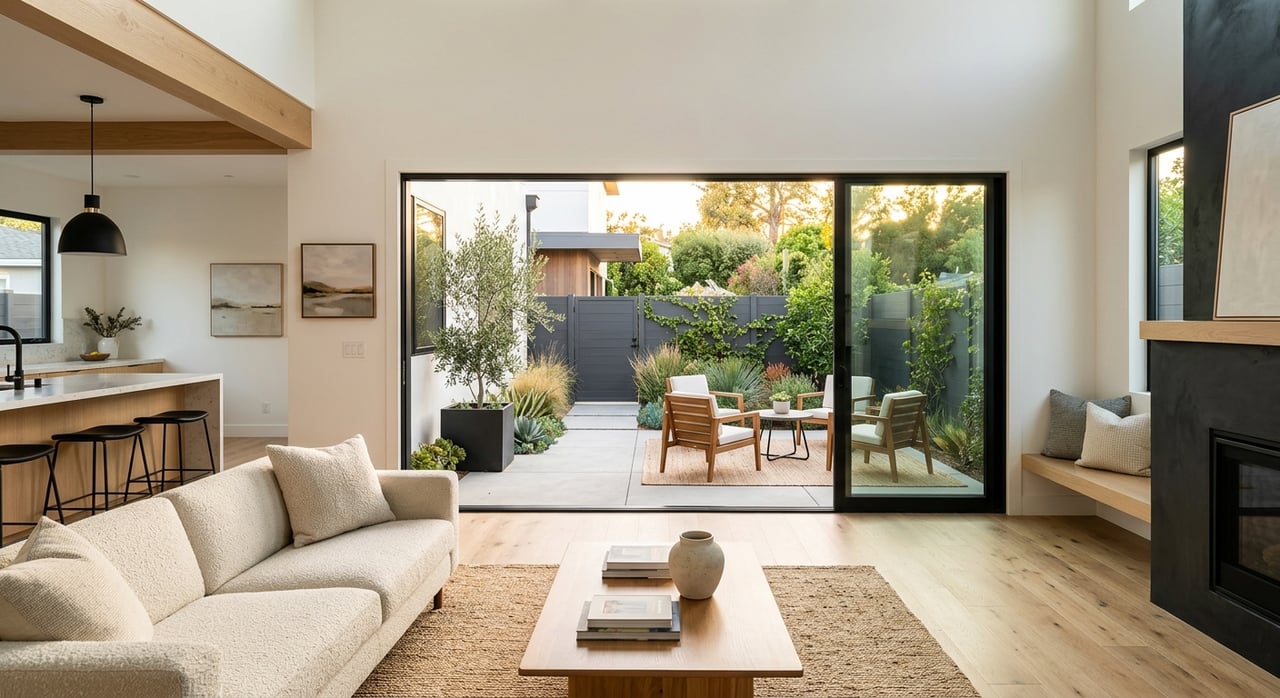
Wondering whether a 5 to 15-year-old home in Brentwood should sell itself? In many cases, buyers do appreciate a newer home, but they are also comparing your property to current builder communities, fresh incentives, and move-in-ready resale options. If you want the strongest result, you need more than a recent build date. You need smart pricing, polished presentation, and clean documentation. Let’s dive in.
Brentwood’s newer-home resale market
Brentwood is a market where newer homes make up a big part of the landscape. The city’s housing element says most of Brentwood’s housing stock was built after 2000, which means many resale homes still feel relatively modern by Bay Area standards.
It is also a largely owner-occupied market. Census QuickFacts reports an 82.2% owner-occupied housing-unit rate and a median owner-occupied home value of $836,600 for 2020 through 2024. That matters because many sellers are competing with other well-maintained homes owned by people who have also invested in upkeep and presentation.
Current pricing signals show a market in the mid-to-high $700,000s, depending on the source and methodology. Redfin reported a median sale price of $775,000 in March 2026, Zillow estimated a home value around $787,681 with homes pending in about 57 days, and Realtor.com described Brentwood as a seller’s market in March 2026.
At the same time, homes sold for about asking price on average in March 2026. That tells you pricing discipline matters. If your home is too aggressive for the current competition, buyers may quickly shift their attention to another resale or to new construction.
Why newer resale still faces competition
A newer Brentwood home often has real advantages, but it is rarely competing in a vacuum. Brentwood is still planning for additional housing through interim objective design standards and a draft update to permanent residential objective design standards, so ongoing development remains part of the local backdrop.
That means your likely buyer may have toured both resale homes and builder communities in the same week. They are not just asking whether your home is newer. They are asking how it compares right now on layout, features, monthly costs, and overall value.
What buyers compare to new construction
Today’s builder communities give you a clear picture of what buyers see as the baseline. Trumark’s Apricot Estates is marketing large homes from 3,019 to 4,397 square feet with 4 to 5 bedrooms and 3 to 4 car garages, and its FAQ states there is no HOA.
Meritage’s Casacala offers 82 detached homes with four floor plans, energy-efficient features, designer-curated finishes, included appliances and window coverings, plus an HOA of $84 per month. Shea’s Kindred & Balfour is a 55+ gated community offering single-level homes from 1,448 to 2,134 square feet with 2 to 3 bedrooms and clubhouse amenities.
When buyers look at your listing, they are comparing more than age and price. They are weighing:
- Floor-plan flexibility
- Garage and storage space
- Lot size and backyard use
- Included finishes and appliances
- Energy-efficient features
- HOA fees and amenities
- Privacy and separation from nearby homes
- Special spaces like an office, loft, or multi-generational suite
Builder communities may also advertise savings or other buyer-facing incentives. That can narrow the gap between a resale and a brand-new home, even when your list price looks competitive at first glance.
How to position your home clearly
The strongest resale listings usually highlight what is harder to replace. A buyer may be able to get a new kitchen package from a builder, but they may not be able to get your larger yard, more established setting, better privacy, or a more functional finished layout.
This is where thoughtful positioning matters. Instead of simply saying your home is newer, show why it offers a better everyday experience than the alternatives a buyer is also considering.
Features that can set your home apart
In Brentwood, these resale advantages often stand out:
- A larger or more usable lot
- Mature landscaping
- Better privacy or wider spacing between homes
- A completed backyard
- A true home office
- A loft or flexible bonus space
- Multi-generational living potential
- Storage improvements or garage upgrades
- Finished window coverings and appliances already in place
Current builders heavily market flex spaces, next-gen suites, clubhouses, parks, trails, and proximity to downtown or golf. If your home offers similar benefits, or offers a stronger version of one of them, that should be part of your listing strategy.
Pricing a newer Brentwood home carefully
Because homes in Brentwood have been selling for about the asking price on average, pricing needs to reflect the real comparison set. That means looking beyond older neighborhood sales and focusing closely on active resale competition, pending listings, and current builder offerings.
A buyer comparing your home to new construction is doing monthly-payment math, not just list-price math. HOA dues, included features, incentives, and upgrade costs all affect how your home is perceived.
Pricing questions worth asking
Before you go live, it helps to evaluate:
- How does your square footage compare to current resale and builder competition?
- Does your home offer completed upgrades a buyer would otherwise pay for after closing?
- Are there monthly HOA dues, and how do they compare with nearby options?
- Is your lot, privacy, or backyard meaningfully better than what a buyer sees in new construction?
- Are your finishes still current, or do they feel dated next to builder models?
This is where local pricing strategy becomes especially important. A newer home can earn strong attention, but only if buyers see a clear and believable value story.
Presentation matters, even for newer homes
One of the biggest mistakes sellers make is assuming a newer property does not need staging or cosmetic prep. In reality, buyers still respond strongly to polished presentation.
The 2025 staging report found that staging helps buyers visualize the home as their future residence. It also found that 83% of buyers’ agents said staging made it easier for buyers to visualize a property, and 60% said staging affected most buyers’ views at least some of the time.
NAR also reported that staging can increase the dollar value offered and reduce time on market. Even if your home is not old, it still needs to feel sharp, bright, and easy to imagine living in.
Rooms to prioritize first
The most commonly staged rooms were:
- Living room
- Primary bedroom
- Dining room
If you are prioritizing time and budget, those spaces deserve attention first. They often shape a buyer’s emotional first impression of the home.
Best updates before listing
For a 5 to 15-year-old home, the goal is usually not a major remodel. It is targeted improvement that helps your home feel current against both resale competition and builder inventory.
The 2025 Remodeling Impact Report points toward low- and mid-cost, high-visibility updates. Realtors most often recommend painting the entire home, painting a single room, and new roofing, while top cost-recovery items include a new steel front door, closet renovation, a new fiberglass front door, and new windows.
In practical terms, many Brentwood sellers should start with the basics before considering anything larger.
High-impact listing prep steps
- Fresh interior paint where needed
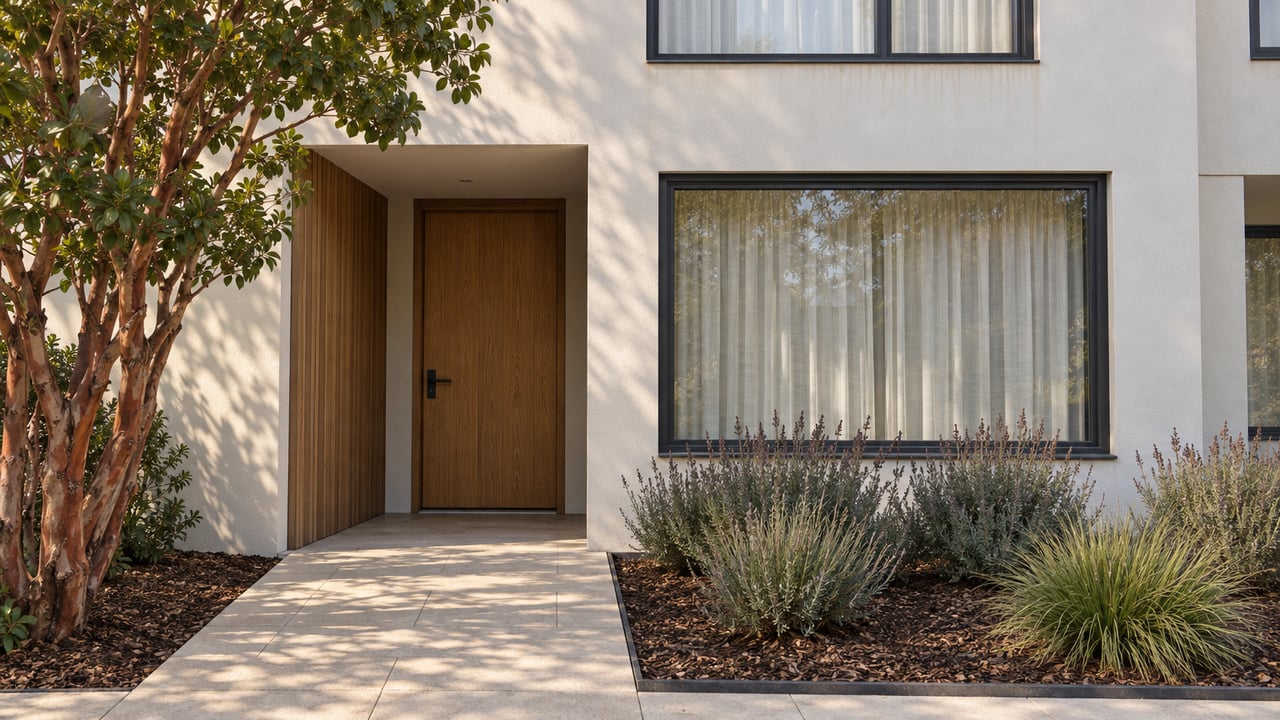
- A clean, inviting front entry
- Decluttered closets and storage areas
- Updated lighting if fixtures feel dated
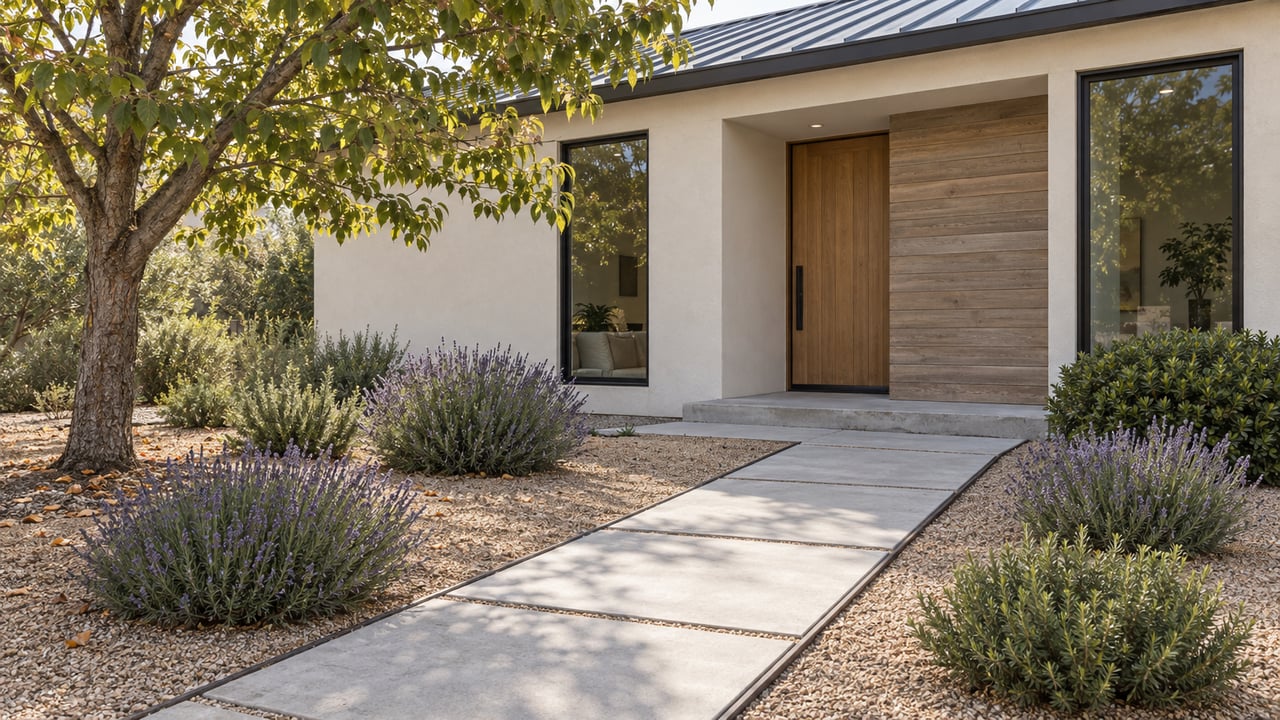
- Crisp curb appeal
- Deep cleaning throughout
- Selective kitchen or bath refreshes if finishes feel behind the neighborhood standard
Kitchen and bath updates can still matter, especially when finishes look dated next to current new-build competition. In many cases, though, a selective refresh makes more sense than a full renovation unless the room clearly falls short of buyer expectations for the area.
Gather disclosures and documents early
In California, preparation is not just cosmetic. It is also administrative.
For most 1 to 4 unit residential sales, the seller must complete a Transfer Disclosure Statement describing the property’s physical condition, hazards, and defects. California’s Natural Hazard Disclosure law also requires the statutory NHD form, and the 2025 DRE update notes that the disclosure now includes high fire hazard severity zone information.
Buyers of newer Brentwood homes are often detail-oriented because they are also used to the structure of builder sales. They may expect clear information about upgrades, community rules, recurring costs, and the property’s condition.
Documents to assemble before listing
Try to gather these items as early as possible:
- Permits for completed work
- Upgrade and improvement invoices
- Builder warranty documents, if available
- HOA documents and monthly cost details
- Any records tied to appliances, systems, or major improvements
This step can make your transaction smoother from the start. It also helps your listing feel more organized and credible to serious buyers.
HOA costs and monthly expenses matter
If your home is in an HOA, buyers will factor that into the monthly payment. They are not looking only at your sale price.
That comparison is especially relevant in Brentwood because current communities do not all carry the same monthly costs. Apricot Estates states there is no HOA, while Casacala lists an $84 monthly HOA. Buyers will naturally compare those recurring costs when deciding what feels like the better value.
If your home has HOA dues, be ready to explain what those dues cover in plain terms through your listing materials and disclosure package. Clear expectations help reduce hesitation.
The goal: move-in ready and easy to compare
The best newer-home resale listings in Brentwood usually share three qualities. They look move-in ready, they clearly stand apart from current builder competition, and they are well documented.
That combination builds confidence. It helps buyers understand not only what your home costs, but why it deserves serious consideration in a market where they have plenty of polished options.
If you are thinking about selling a newer home in Brentwood, the right plan is rarely about doing everything. It is about doing the right things in the right order, from pricing and presentation to disclosures and buyer positioning. For a complimentary local market and home presentation plan, connect with Cindy Alaimo.
FAQs
What makes selling a newer home in Brentwood different from selling an older home?
- Buyers often compare newer resale homes directly against current builder communities, so pricing, presentation, features, and monthly costs need to stand out clearly.
What updates matter most before listing a newer Brentwood home?
- Fresh paint, a clean front entry, decluttered closets, updated lighting, strong curb appeal, and selective kitchen or bath refreshes usually offer the best impact.
What documents should you gather before listing a newer home in Brentwood?
- Start with permits, upgrade invoices, builder warranty documents, HOA materials, and records related to appliances, systems, or major improvements.
Why does staging still matter for a newer Brentwood resale?
- Staging helps buyers visualize living in the home, and research shows it can influence buyer perception, support stronger offers, and reduce time on market.
How should you price a newer Brentwood home against new construction?
- You should compare your home to active resale listings, pending sales, builder features, incentives, HOA costs, and the value of completed upgrades or lot advantages, not just recent closed sales alone.